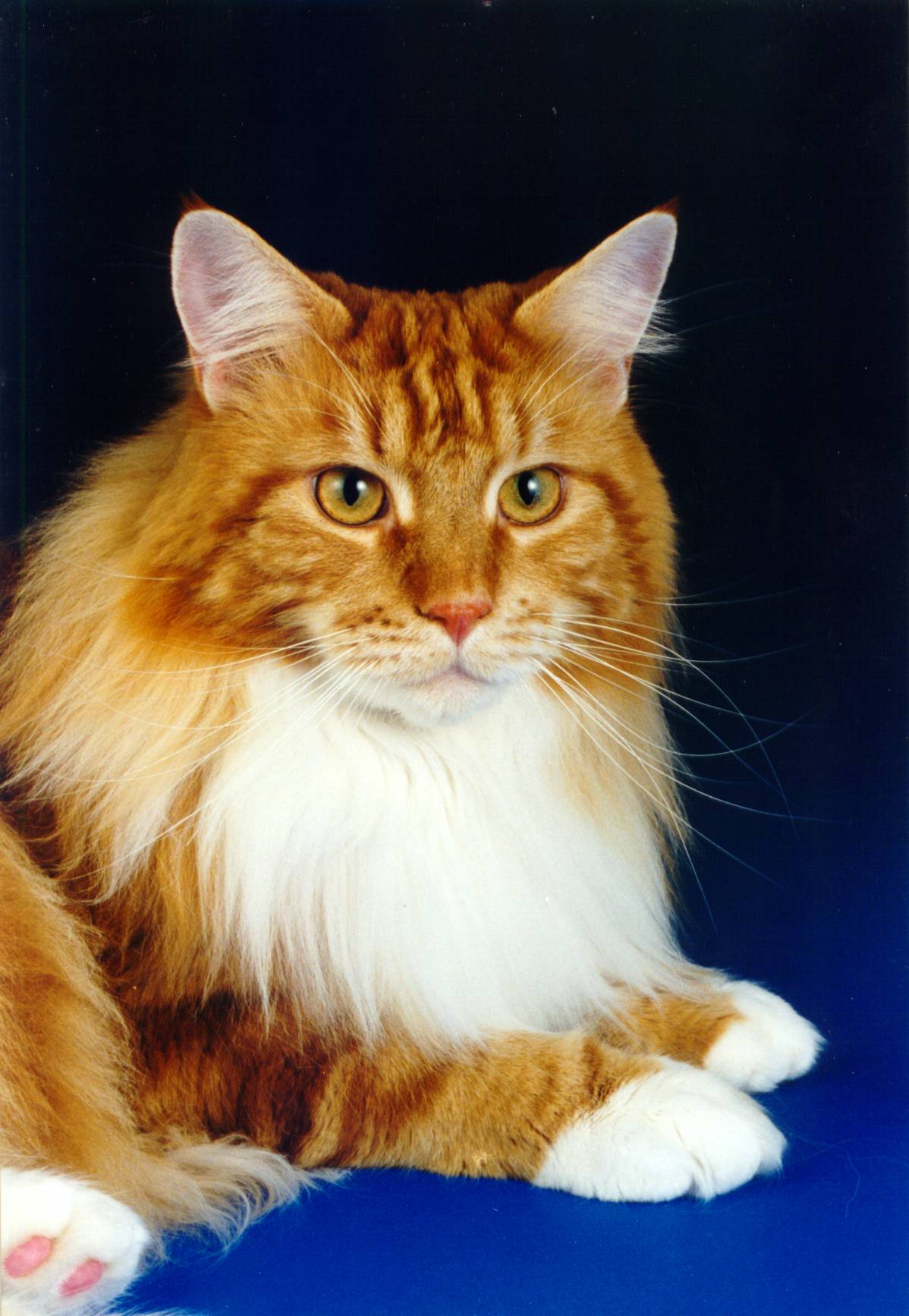
GCCF Maine Coon Registration Policy
This policy should be read alongside the GCCF Maine Coon Breeding Policy. It is useful for breeders, and also anyone wishing to import a cat into the GCCF Register from another registering body, either based in the UK or from overseas. It gives details the requirements laid out for any Maine Coon to be registered, either from GCCF registered parents, if it is registered elsewhere, or one or both parents are not registered with GCCF.
Read the GCCF Maine Coon Registration Policy here
All members are also entitied to a discount for genetic DNA testing at Langford Cat Genetic Testing Centre, based in the UK - this is especically useful as all Maine Coons must be tested for various gene traits before they can be used for breeding. You can find out more about Langford Cat Genetic Testing HERE We have had a number of questions and queries about registering Maine Coon cats and kittens with GCCF since the new policy was introduced and have produced a Frequestly Asked Questions (FAQ) document to help.
Read the GCCF Maine Coon Registration Policy here
All members are also entitied to a discount for genetic DNA testing at Langford Cat Genetic Testing Centre, based in the UK - this is especically useful as all Maine Coons must be tested for various gene traits before they can be used for breeding. You can find out more about Langford Cat Genetic Testing HERE We have had a number of questions and queries about registering Maine Coon cats and kittens with GCCF since the new policy was introduced and have produced a Frequestly Asked Questions (FAQ) document to help.
Please note that polydactyl cats, including Maine Coons are not allowed in GCCF. Maine Coons that are spotted or ticked tabby, or blue or odd eye cats (other that pure white cats) are not recognised for showing. Chocolate, cinnamon and Siamese (cs) and Burmese (cb) Maine Coons are not allowed to be registered. Please refer to the breeding policy and registration policy for more information.
We do not allow Maine Coons to have blue or odd eyes, unless they are pure white cats. We do not accept Dominant Blue Eye (DBE) cats onto the GCCF register
Information about the Revised GCCF Maine Coon Registration Policy - Approved June 2025, Effective from 20th August 2025.
This policy has now been approved by GCCF. It went live on 20th August 2025.
Unfortunately, advance warning of the start date was not possible and the club only found out on 20th August (the day it went live), so were unable to inform breeders before it actually changed. We had wanted to give people the “heads up” in advance, as in the longer term this will help breeders to save money and hopefully encourage people to continue to register future generations of Maine Coons with GCCF. We sincerely apologise that we were unable inform breeders in advance of the date of change to the registration policy.
What are the changes and how does it affect you? – they relate to DNA Testing requirements.1. Owners/breeders will be allowed to DNA swab their own cats provided it is only for colour clarification (e.g. is the cat a red self or red tabby?). This will reduce costs for the owner/breeder as they will not need the test to be done by a vet/RVN just to get a colour confirmation. Any required DNA health test swabs (HCMmc, SMA, PKDef, etc) MUST still be carried out by vet or RVN(qualified veterinary nurse).
2. Offspring from two parents that both have GCCF recorded validated DNA tests which are negative (clear) for HCMmc, SMA and PKDef, will no longer require a DNA gene test before applying to be placed on the active (breeding) register. Note: If your cat has unvalidated test results (e.g. tested before 1st January 2024) you can have the cat retested using the correct procedure (see Registration Policy for details of DNA Testing) and provided it is negative for all three genes, it can then be recorded as clear at GCCF. After that, if mated to another verified clear cat, any offspring would not require DNA testing before being added to the active register.
3. Offspring from one or both parents with unvalidated tests or if one or both parents were registered before testing was required, will still need to be tested before they can be added to the active register.
4. Looking to the future, generations coming down from cats which are GCCF validated as HCMmc, SMA and PKDef clear won’t need DNA testing to carried out in order to be placed on the active (breeding) register provided matings are done between two active registered cats which are both recorded on the GCCF register as clear of these three genes.
5. As previously, cats being registered on the GCCF non-active register do not need DNA testing (no change) unless to validate a colour, e.g. red tabby or red self. (See Point 1. for the changes in DNA testing procedure for colour clarification).
6. All imports will still follow the current procedure (no change).
All details of the changes and the new registration policy can be downloaded here and we strongly urge all breeders to read the updated registration document so you know of the changes. In the longer term, this will save money if breeders are looking to place cats on the active register, provided they come from validated clear parents.
If you have any queries or questions after reading the proposed new registration policy, please do not hesitate to contact the Maine Coon Cat Club Secretary, Daphne Butters (secretary@maine-coon-cat-club.com) or the MCBAC Secretary, Anne Jones (MCBACsecretary@outlook.com ).
Please note that the revised registration policy also states “Blue or odd eyes are only allowed in white cats (MCO w 61 or MCO w 63). Blue or odd eyes are not allowed in any other colour or pattern.” We do not accept the dominant blue eye gene in Maine Coons, so they cannot be imported from other organisations in future. Our concerns are twofold – dominant blue eye was not a natural phenomenon in the area from which they originated, and also recent research indicates that at least one of the known DBE genes may result in deafness, skull deformities and other health related issues. We do not wish to introduce a known potential health issue into our breed and we have the support of many of our breeders, owners and exhibitors in this matter.
We are now working on updating the GCCF Maine Coon Breeding Policy to reflect the most recent changes.
Unfortunately, advance warning of the start date was not possible and the club only found out on 20th August (the day it went live), so were unable to inform breeders before it actually changed. We had wanted to give people the “heads up” in advance, as in the longer term this will help breeders to save money and hopefully encourage people to continue to register future generations of Maine Coons with GCCF. We sincerely apologise that we were unable inform breeders in advance of the date of change to the registration policy.
What are the changes and how does it affect you? – they relate to DNA Testing requirements.1. Owners/breeders will be allowed to DNA swab their own cats provided it is only for colour clarification (e.g. is the cat a red self or red tabby?). This will reduce costs for the owner/breeder as they will not need the test to be done by a vet/RVN just to get a colour confirmation. Any required DNA health test swabs (HCMmc, SMA, PKDef, etc) MUST still be carried out by vet or RVN(qualified veterinary nurse).
2. Offspring from two parents that both have GCCF recorded validated DNA tests which are negative (clear) for HCMmc, SMA and PKDef, will no longer require a DNA gene test before applying to be placed on the active (breeding) register. Note: If your cat has unvalidated test results (e.g. tested before 1st January 2024) you can have the cat retested using the correct procedure (see Registration Policy for details of DNA Testing) and provided it is negative for all three genes, it can then be recorded as clear at GCCF. After that, if mated to another verified clear cat, any offspring would not require DNA testing before being added to the active register.
3. Offspring from one or both parents with unvalidated tests or if one or both parents were registered before testing was required, will still need to be tested before they can be added to the active register.
4. Looking to the future, generations coming down from cats which are GCCF validated as HCMmc, SMA and PKDef clear won’t need DNA testing to carried out in order to be placed on the active (breeding) register provided matings are done between two active registered cats which are both recorded on the GCCF register as clear of these three genes.
5. As previously, cats being registered on the GCCF non-active register do not need DNA testing (no change) unless to validate a colour, e.g. red tabby or red self. (See Point 1. for the changes in DNA testing procedure for colour clarification).
6. All imports will still follow the current procedure (no change).
All details of the changes and the new registration policy can be downloaded here and we strongly urge all breeders to read the updated registration document so you know of the changes. In the longer term, this will save money if breeders are looking to place cats on the active register, provided they come from validated clear parents.
If you have any queries or questions after reading the proposed new registration policy, please do not hesitate to contact the Maine Coon Cat Club Secretary, Daphne Butters (secretary@maine-coon-cat-club.com) or the MCBAC Secretary, Anne Jones (MCBACsecretary@outlook.com ).
Please note that the revised registration policy also states “Blue or odd eyes are only allowed in white cats (MCO w 61 or MCO w 63). Blue or odd eyes are not allowed in any other colour or pattern.” We do not accept the dominant blue eye gene in Maine Coons, so they cannot be imported from other organisations in future. Our concerns are twofold – dominant blue eye was not a natural phenomenon in the area from which they originated, and also recent research indicates that at least one of the known DBE genes may result in deafness, skull deformities and other health related issues. We do not wish to introduce a known potential health issue into our breed and we have the support of many of our breeders, owners and exhibitors in this matter.
We are now working on updating the GCCF Maine Coon Breeding Policy to reflect the most recent changes.
The GCCF Maine Coon Registration & Breeding Policy - Frequently Asked Questions (FAQs)
Does this apply to my breeding cats that I am already breeding from?No, if you have a cat registered before 1st January 2024, you can continue to use them even if they have not been DNA tested or are carrier (heterozygous) cats. Although we would hope eventually you would want to breed out any deleterious genes over time. However, all offspring from from Maine Coons which do not have a validated verified DNA test for HCMmc, SMA and PKDef must be tested and clear of all three genes before they can be added to the active (breeding) register.
My cat was placed on the active register before any mandatory testing started. Can I retest it to clear it officially and have this added to the GCCF record?Yes, you can have the cat retested using the standard procedure (done by a vet/RVN, microchip verified, vet practice stamp on document and sample sent directly from the vet practice) - see the Registration Policy for full details of the test method required. The advantage of retesting a parent, is that, provided both parents have verified validated negative (clear) DNA tests recorded with GCCF, their future offspring will not require testing before being added to the GCCF active register.
My cat is already registered on the GCCF non-active register. Does it need the DNA tests before I can transfer it to the active register?If your cat's parents are both already on the GCCF Active register with verified validated negative(clear) DNA tests, then they will not require DNA testing before applying to be transferred to the active register. They will require the DNA health tests if either or both parents does not have validated verified negative test results.
Importing into GCCF - Unneutered cats
Imports require extra tests (see below), so please check with GCCF Office for what is required.
Does this DNA testing apply to imported neutered cats?No, if your cat is not going to be used for breeding then you do not need to do any testing. But you must provide a certificate of neutering with the cat’s details (registered name, date of birth, registration number, sex and microchip number (scanned and verified by a vet/vet nurse). The cat should not exhibit polydactyl, or chocolate, cinnamon, Siamese, and Burmese colour patterns. The only exception is for red series cats - see question below (What about Red Series Cats?).
Who can do the DNA tests?.Whereas previously individual breeders could undertake the DNA swabbing, this must now be done by either a vet or or RVN registered vet nurse if testing is required. The cat’s chip must be checked and entered on the form which must have a veterinary stamp. The veterinary practice must send in the sample to the testing laboratory, not posted by the owner. The only exception to testing by a vet/RVN is where an owner/breeder is testing only for clarification of colour (e.g. red tabby or red self). If the test is purely for colour and not for any health DNA gene tests, then this can be done by the owner or breeder.
Which lab should I use for DNA testing?GCCF can advise which labs to use (Email: info@gccfcats.org or telephone 01278 427575). They are working with Langfords to create testing bundles for breeders. The MCCC have put itself forward to be one of the early adopters but this is not confirmed as yet.
If the kitten I am going to use/sell for breeding is from DNA tested negative parents, do I need to test the kitten?Provided both parents have negative validated, verified DNA tests for HCMmc, SMA and PKDef on their GCCF record, then offspring do not need to be tested before an application to join the active (breeding) register. If one or both parents do not have the verified validated negative test record with GCCF, then the offspring must be DNA tested using the official test method listed in the Registration Policy before the cat can be placed on the active register. If you are unsure whether a cat has the correct negative test record at GCCF, please contact GCCF Office to check.
What is classed as an import?Unless both parents are already GCCF active registered, any offspring will be an import into the GCCF register, even if they were born in the UK. If being registered on the active (breeding) register, the import cat will require negative DNA test results (see next question for actual tests required). Neutered cats do not require DNA testing, provided certain criteria have been met. (See Maine Coon Registration Policy).
What tests do I need to do if I am importing a breeding cat?Maine Coons now require 8 DNA tests to be imported into the GCCF on the active (breeding) register, these are: HCMmc (Hypertrophic Cardiomyopathy Maine Coon Type), SMA (Spinal Muscular Atrophy), PKDef (Pyruvate Kinase Deficiency), Polydactyl, Chocolate, Cinnamon, Siamese (cs) and Burmese (cb) Colours
I have polydactyl in my pedigree, can I register with GCCF?You can as long as the kitten/cat has had the DNA polydactyl test and is negative and does not exhibit any appearance of polydactyl. Langford now offer a polydactyly test for Maine Coons.
What about red series cats?Red and cream cats, who have one or more tabby or shaded parents must be registered as red or cream tabbies or shaded until proven otherwise by genetic testing. This needs to be supplied at time of registration. In this case, the DNA test can be carried out by the owner or breeder, provided it is only to confirm colour and not include any health gene DNA tests. Cats cannot be registered as red or cream tabby or shaded unless one parent is tabby (agouti). Why can I no longer register cats which are heterozygous for HCMmc, SMA or PKDef from June 1st 2024?When we were asked to amend our registration policy to add in DNA testing, we were advised to give a grace period for heterozygous cats of 6 months. This was to allow breeders to become familiar with the new policy and for them to plan what they were going to do for future breeding stock.
Does this DNA testing apply to imported neutered cats?No, if your cat is not going to be used for breeding then you do not need to do any testing. But you must provide a certificate of neutering with the cat’s details (registered name, date of birth, registration number, sex and microchip number (scanned and verified by a vet/vet nurse). The cat should not exhibit polydactyl, or chocolate, cinnamon, Siamese, and Burmese colour patterns. The only exception is for red series cats - see question below (What about Red Series Cats?).
Who can do the DNA tests?.Whereas previously individual breeders could undertake the DNA swabbing, this must now be done by either a vet or or RVN registered vet nurse if testing is required. The cat’s chip must be checked and entered on the form which must have a veterinary stamp. The veterinary practice must send in the sample to the testing laboratory, not posted by the owner. The only exception to testing by a vet/RVN is where an owner/breeder is testing only for clarification of colour (e.g. red tabby or red self). If the test is purely for colour and not for any health DNA gene tests, then this can be done by the owner or breeder.
Which lab should I use for DNA testing?GCCF can advise which labs to use (Email: info@gccfcats.org or telephone 01278 427575). They are working with Langfords to create testing bundles for breeders. The MCCC have put itself forward to be one of the early adopters but this is not confirmed as yet.
If the kitten I am going to use/sell for breeding is from DNA tested negative parents, do I need to test the kitten?Provided both parents have negative validated, verified DNA tests for HCMmc, SMA and PKDef on their GCCF record, then offspring do not need to be tested before an application to join the active (breeding) register. If one or both parents do not have the verified validated negative test record with GCCF, then the offspring must be DNA tested using the official test method listed in the Registration Policy before the cat can be placed on the active register. If you are unsure whether a cat has the correct negative test record at GCCF, please contact GCCF Office to check.
What is classed as an import?Unless both parents are already GCCF active registered, any offspring will be an import into the GCCF register, even if they were born in the UK. If being registered on the active (breeding) register, the import cat will require negative DNA test results (see next question for actual tests required). Neutered cats do not require DNA testing, provided certain criteria have been met. (See Maine Coon Registration Policy).
What tests do I need to do if I am importing a breeding cat?Maine Coons now require 8 DNA tests to be imported into the GCCF on the active (breeding) register, these are: HCMmc (Hypertrophic Cardiomyopathy Maine Coon Type), SMA (Spinal Muscular Atrophy), PKDef (Pyruvate Kinase Deficiency), Polydactyl, Chocolate, Cinnamon, Siamese (cs) and Burmese (cb) Colours
I have polydactyl in my pedigree, can I register with GCCF?You can as long as the kitten/cat has had the DNA polydactyl test and is negative and does not exhibit any appearance of polydactyl. Langford now offer a polydactyly test for Maine Coons.
What about red series cats?Red and cream cats, who have one or more tabby or shaded parents must be registered as red or cream tabbies or shaded until proven otherwise by genetic testing. This needs to be supplied at time of registration. In this case, the DNA test can be carried out by the owner or breeder, provided it is only to confirm colour and not include any health gene DNA tests. Cats cannot be registered as red or cream tabby or shaded unless one parent is tabby (agouti). Why can I no longer register cats which are heterozygous for HCMmc, SMA or PKDef from June 1st 2024?When we were asked to amend our registration policy to add in DNA testing, we were advised to give a grace period for heterozygous cats of 6 months. This was to allow breeders to become familiar with the new policy and for them to plan what they were going to do for future breeding stock.